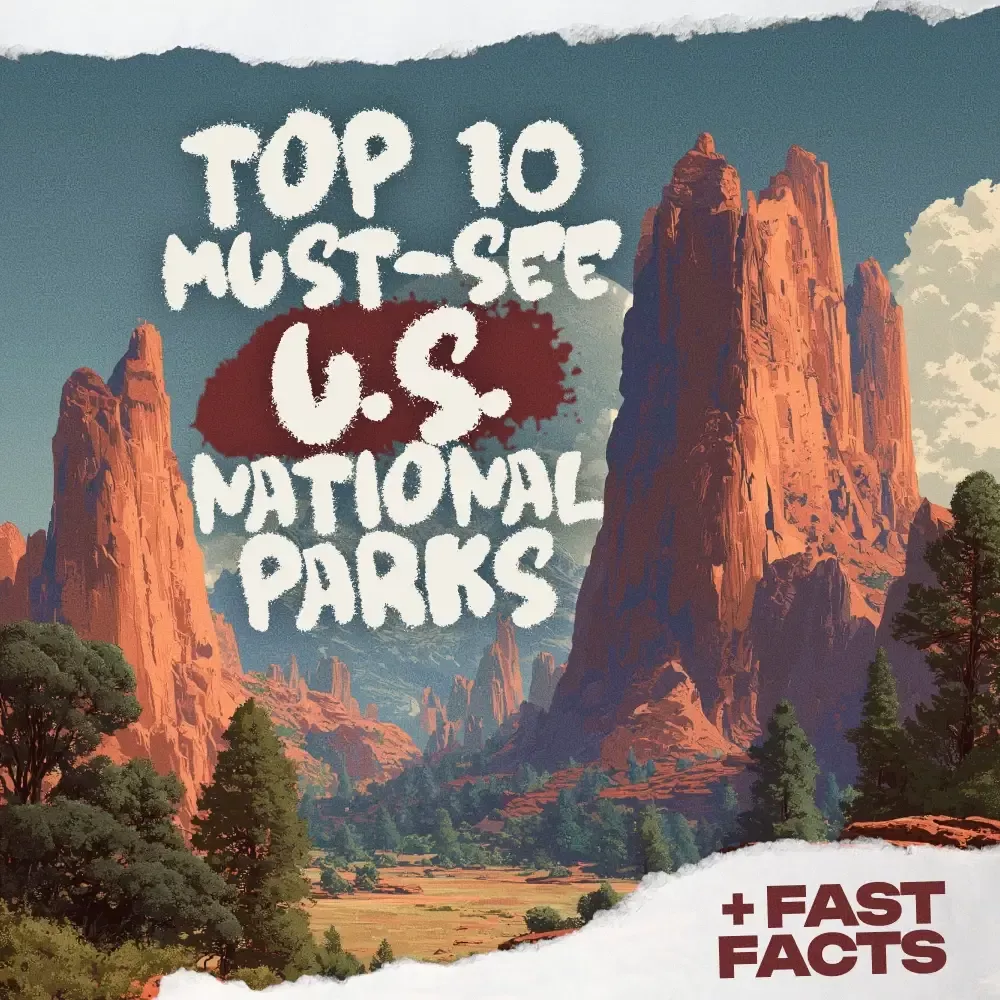
Discover America’s Most Breathtaking National Treasures
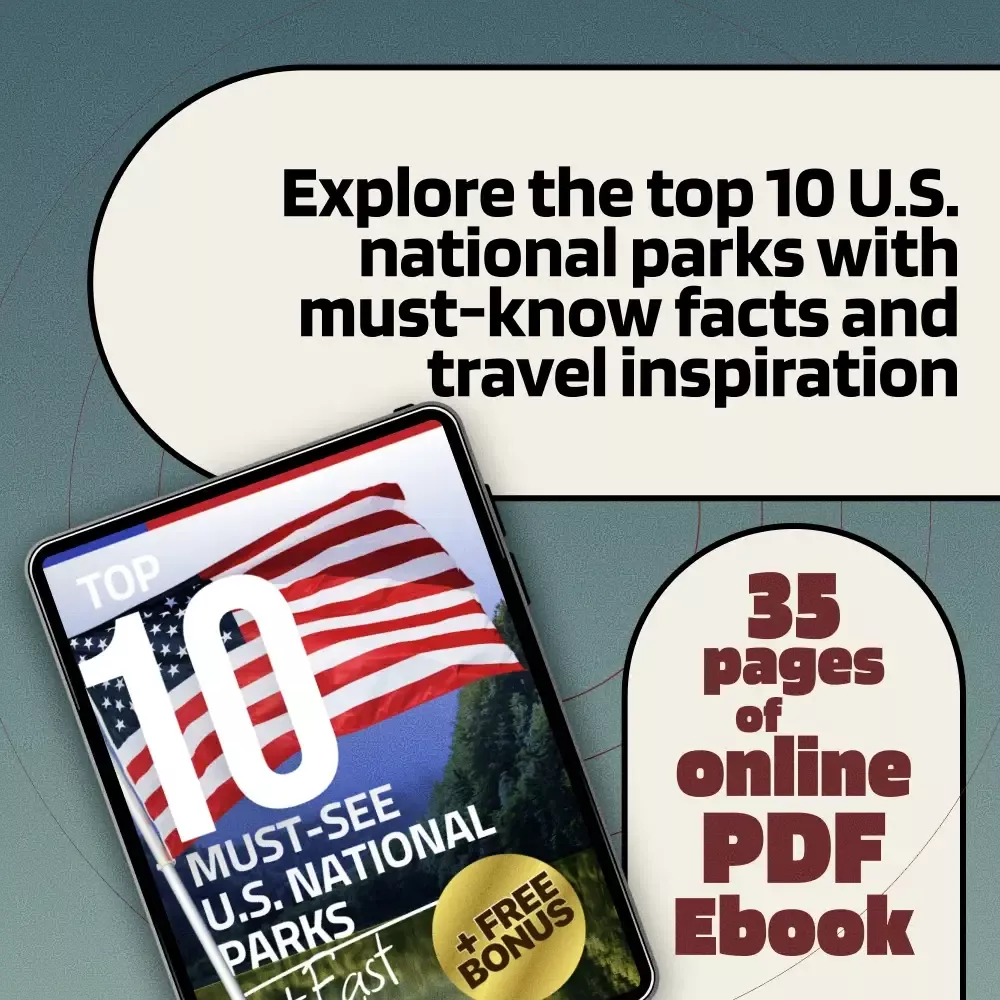
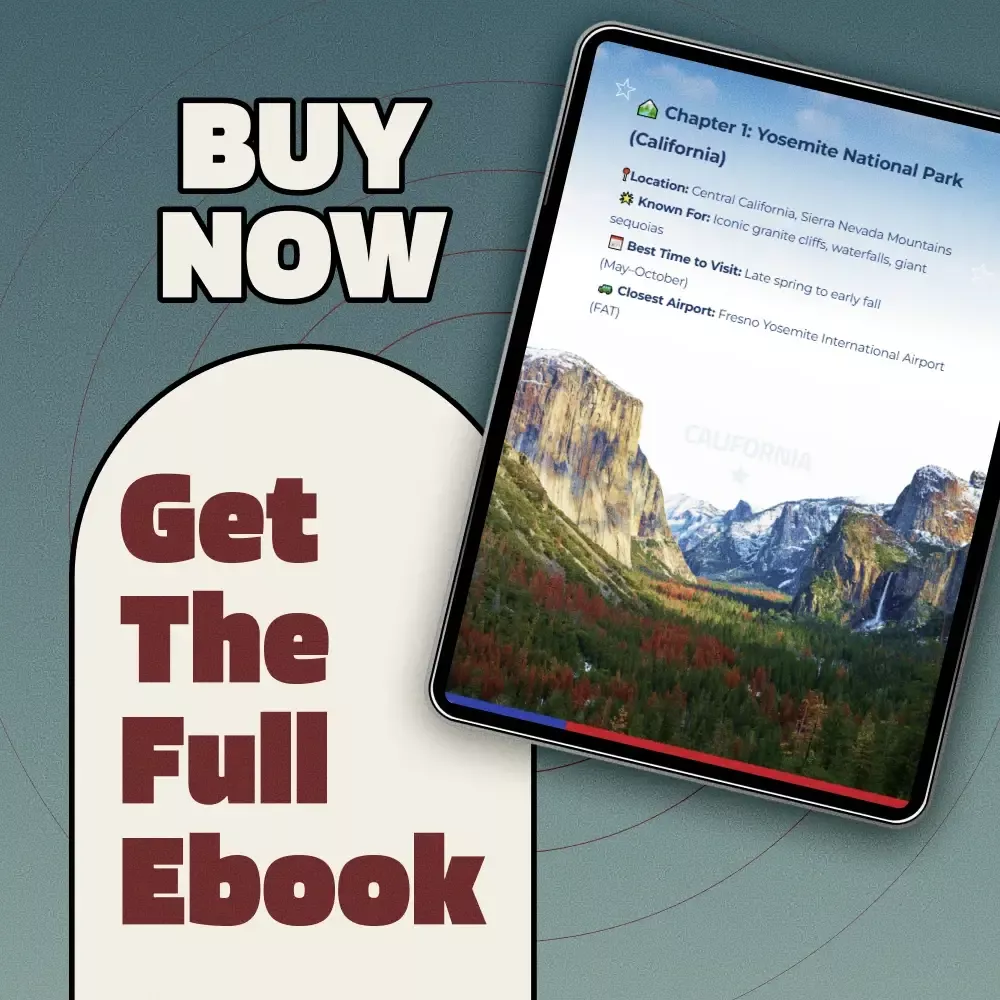
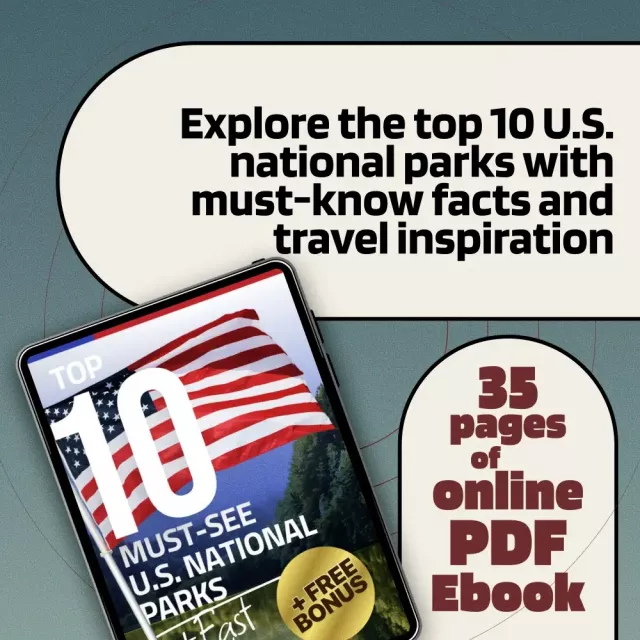
If exploring the great outdoors is on your bucket list, the Top 10 Must-See U.S. National Parks + Fast Facts eBook is your perfect starting point. Packed with stunning destinations, essential travel details, and insider insights, this digital download makes it easy to plan your next adventure—whether you’re dreaming of Yosemite’s granite cliffs, the Grand Canyon’s awe-inspiring views, or Glacier’s sparkling lakes. It’s designed to inspire, inform, and help you explore responsibly so you can enjoy each park’s beauty while preserving it for future generations.
What’s Inside This National Parks Travel eBook?
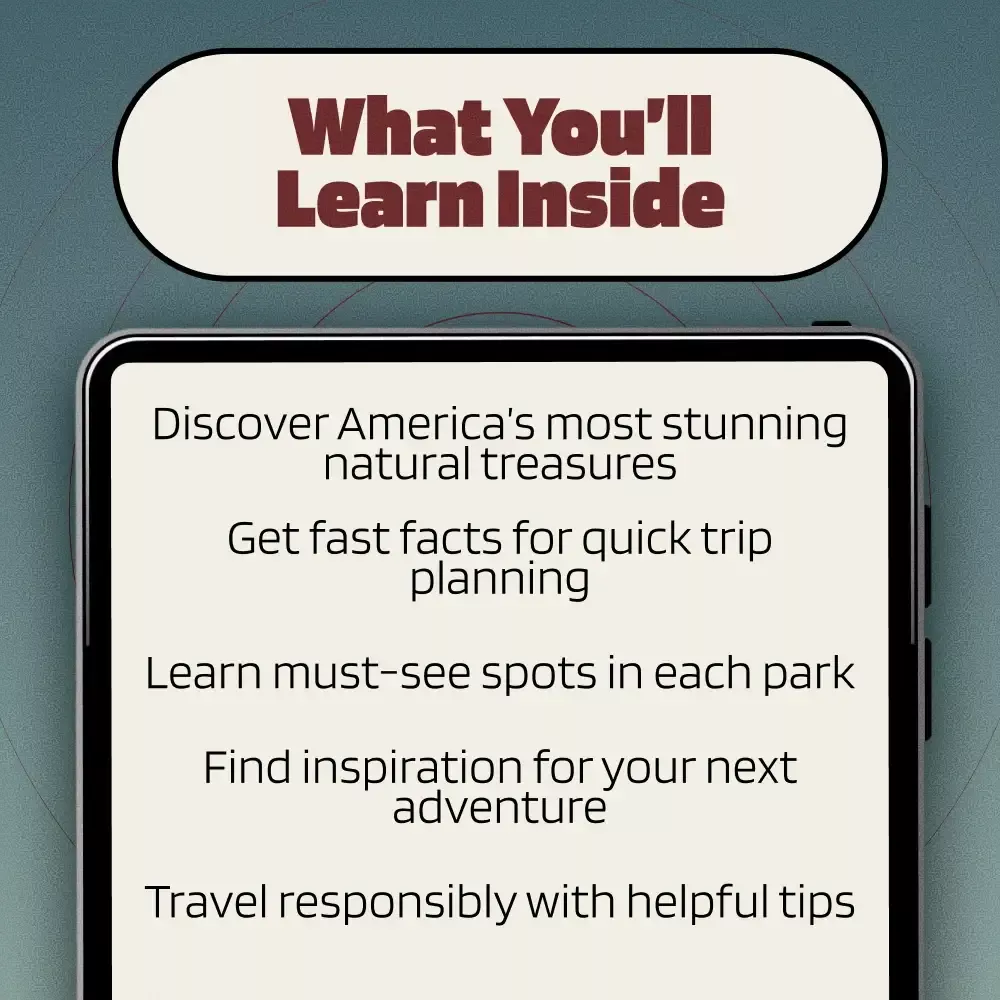
- Profiles of the top 10 must-see U.S. national parks with location details and highlights
- Fast facts for quick reference, including best times to visit and unique features
- Travel inspiration for hikers, campers, photographers, and road-trippers
- Responsible exploration tips to help protect nature while you enjoy it
- Next steps guide for planning your trip with confidence
Benefits You’ll Gain
- Save time with ready-to-use park highlights
- Get inspired for your next outdoor getaway
- Learn the best seasons and spots for each park
- Travel more sustainably and respectfully
- Feel confident planning hikes, drives, or camping trips
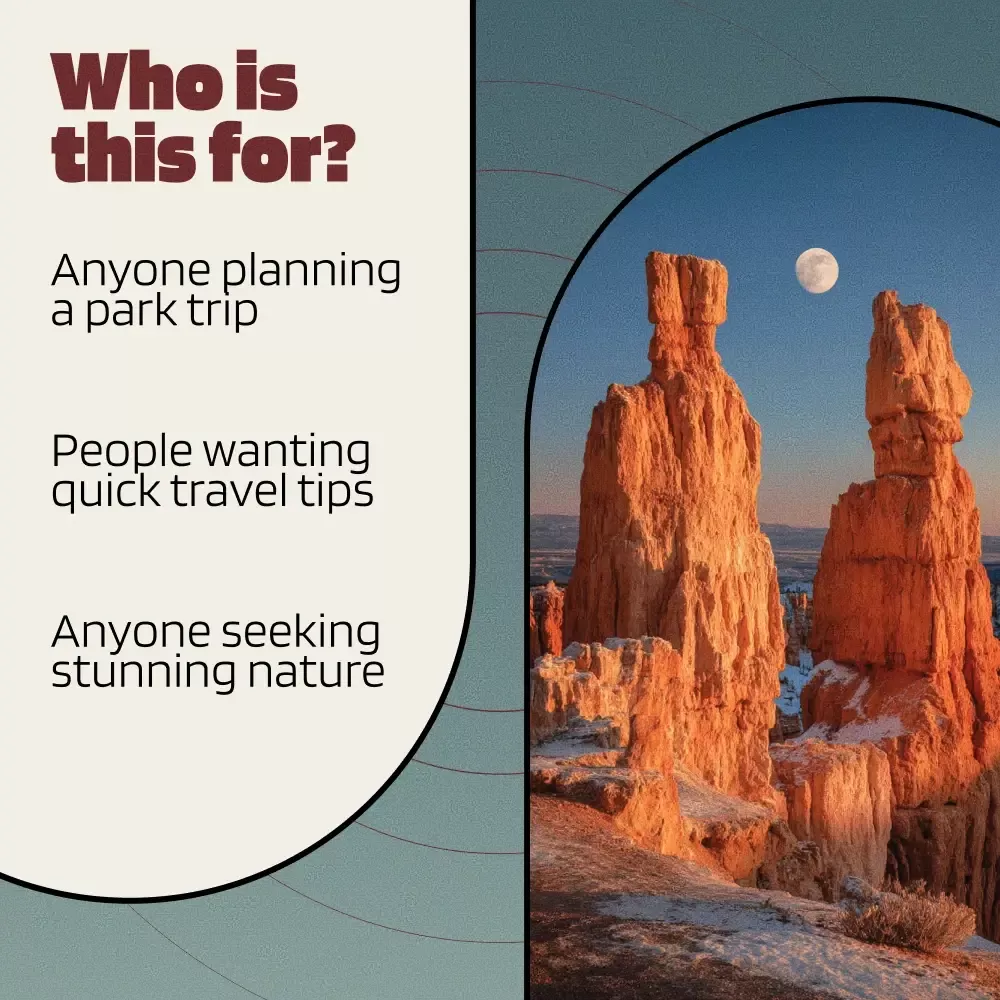
Who Is This For?
Perfect for nature lovers, hikers, road-trippers, families, solo travelers, and anyone curious about America’s most beautiful wild spaces. Whether you’re a first-time park visitor or a seasoned adventurer, this guide makes planning easier and more exciting.
What Makes It Different?
Unlike generic travel blogs, the Top 10 Must-See U.S. National Parks + Fast Facts combines inspiring descriptions with practical, fast-reference details—helping you go from dreaming to exploring in less time. It’s compact, easy to read, and perfect for keeping on your phone or tablet during your trip.
Start Your National Park Adventure Today
Download the Top 10 Must-See U.S. National Parks + Fast Facts now and take the first step toward your next unforgettable journey into America’s wild beauty.
Order cancellation
All orders can be cancelled until they are shipped. If your order has been paid and you need to make a change or cancel an order, you must contact us within 12 hours. Once the packaging and shipping process has started, it can no longer be cancelled.
Refunds
Your satisfaction is our #1 priority. Therefore, you can request a refund or reshipment for ordered products if:
- If you did not receive the product within the guaranteed time( 45 days not including 2-5 day processing) you can request a refund or a reshipment.
- If you received the wrong item you can request a refund or a reshipment.
- If you do not want the product you’ve received you may request a refund but you must return the item at your expense and the item must be unused.
We do not issue the refund if:
- Your order did not arrive due to factors within your control (i.e. providing the wrong shipping address)
- Your order did not arrive due to exceptional circumstances outside the control of finestbuysparlor.shop (i.e. not cleared by customs, delayed by a natural disaster).
- Other exceptional circumstances outside the control of https://finestbuysparlor.shop
*You can submit refund requests within 15 days after the guaranteed period for delivery (45 days) has expired. You can do it by sending a message on Contact Us page
If you are approved for a refund, then your refund will be processed, and a credit will automatically be applied to your credit card or original method of payment, within 14 days.
Exchanges
If for any reason you would like to exchange your product, perhaps for a different size in clothing. You must contact us first and we will guide you through the steps.
Please do not send your purchase back to us unless we authorise you to do so.
Instant download
Your purchase will be available to download once payment is confirmed.
Instant download items don’t accept returns, exchanges or cancellations. Please contact us if you have any problems








i didn’t expect to feel this inspired by a planning guide. it gave me motivation to pack my bag and go rather than overthink. the fast facts made quick decision-making so much easier, and the descriptions painted vivid pictures that got me excited. it’s rare to find something that’s both concise and inspiring, but this struck the perfect balance. planning now feels fun instead of stressful. i’m looking forward to using it again for future trips.
As someone who truly enjoys hitting the open road with family, finding this eBook felt like discovering something genuinely useful. It’s not just another generic travel guide — it’s thoughtfully put together and packed with curated highlights of several national parks, making trip planning much more straightforward and less time-consuming. Instead of spending hours browsing countless blogs and websites, trying to piece together an itinerary, this guide simplifies the whole process. It covers well-known parks like Yosemite, with its stunning granite cliffs, and the Grand Canyon, with its vast, dramatic views — all presented clearly and concisely, without overwhelming you with too much information. One of the things I appreciated most was how it also includes helpful next steps for planning your visit. It’s like having a well-traveled friend walk you through what to expect, where to go, and how to make the most of your time. That sense of guidance took a lot of guesswork out of our road trip planning and helped us focus more on enjoying the experience. Throughout our trip, this eBook felt like a reliable companion. It gave us the confidence to explore more freely, knowing we had a solid foundation to work from. Each stop felt intentional and meaningful, not just lucky finds. That made a big difference in how relaxed and fun the journey was ✨ Whether you're a seasoned road tripper or just planning your first big adventure, I’d definitely recommend having this guide on hand. It’s practical, easy to use, and full of thoughtful details that really enhance the experience. And yes — always take the scenic route when you can. You won’t regret it! 😉
felt like having a local friend guiding me along.
i’ve read many travel guides before, but this one felt different. instead of overwhelming me with too much info, it gave me exactly what i needed. short, clear facts paired with practical advice made it easy to plan. i also loved how it inspired me to see these places with fresh eyes. even though i’ve been to a few already, the descriptions gave me a new perspective. traveling always feels daunting when planning alone, but this made it manageable and exciting. i’m already bookmarking spots for my next trip thanks to this resource.
inspiring
Trip planning for our family usually feels like juggling way too many moving parts—but this guide changed that completely. The way it lays out the best times to visit each park is a total game-changer and instantly makes the process less overwhelming. I love that it balances helpful facts with inspiration, so it doesn’t just tell you when to go but gets you excited about the journey itself. Now our only dilemma is deciding where to begin—do we chase sunsets in the Grand Canyon first, or wander through Yosemite’s towering cliffs and waterfalls? Either way, the decision finally feels fun instead of stressful, and that’s a big win for us!
breathtaking views, clear tips, and inspiring suggestions for unforgettable adventures.
The responsible exploration tips in this guide make me feel good about traveling sustainably while enjoying breathtaking views of U.S national parks – an absolute win-win situation!
If you're into photography, get your hands on this gem ASAP! Each location has unique features that will keep your camera busy and your heart full 😍.
i can’t recommend this enough for anyone even slightly interested in nature trips. i’m not the most organized traveler, and i usually end up piecing together bits of information from blogs and random websites, which gets overwhelming fast. this guide was refreshing because it saved me so much time. the fast facts section was brilliant for someone like me who just wants the essentials at a glance. but beyond the practical side, the writing made me feel excited, like i was being let in on a secret about what makes each park so special. i didn’t feel like i was reading a dry textbook—it felt like a conversation with a friend who genuinely loves the outdoors. that tone really made me connect with it. i’ve already shared it with a few friends who are planning trips, and they’ve had the same reaction: it’s simple, helpful, and inspiring.
vivid
Just finished planning my next adventure with this eBook. The fast facts and park highlights are super helpful and saved me tons of time! 🏞️💚
made my trip so much smoother, fun, and incredibly memorable.
i can’t express how helpful this guide has been in planning my trip. usually, i get overwhelmed by too much information, but this broke everything down into digestible tips and facts. it didn’t just list places—it highlighted unique details i would’ve missed. i especially loved the mix of practical advice and inspiring descriptions. it kept me motivated and organized at the same time. i’ve already started planning my next hiking trip with more confidence because of it. honestly, it made travel prep feel less stressful and more exciting. i’ll definitely keep this close for future adventures.
As a first-time national park visitor, I found this guide very informative yet compact. Perfect companion for my solo travel plans.
helpful
I’m usually overwhelmed by planning hikes but not anymore! This eBook gave me confidence and even inspired new outdoor getaways 🌲⛺
This was hands down the best planning resource I’ve come across in a while. The organization alone made it worth it. Each section flowed naturally, making it incredibly easy to follow. I loved how it was structured: quick facts for when I needed to skim, and longer descriptions when I wanted to dive deeper. That flexibility made it perfect for both quick decisions and slow, thoughtful planning. The details about each park were written with such enthusiasm that I found myself adding places to my bucket list that I hadn’t even considered before. What stood out most to me, though, was the balance—it didn’t feel overwhelming, nor did it feel like anything was missing. That’s hard to achieve. By the time I finished reading, I felt both prepared and inspired, which is exactly what I wanted. It made me look forward to the journey instead of dreading the logistics.
Packed full of essential info like best seasons to visit each park, unique features and more... perfect tool for any adventurer out there!
love the clarity and depth, everything explained simply and beautifully.
As an avid hiker, this guide has been super helpful. The best seasons and spots for each park are right on point 👌.
refreshing
The quick reference fast facts really make planning easy, even if you're new to national parks like me!
This digital guide has everything - stunning destinations, essential details, and insider insights. Yosemite here I come 😎!
i bought this on a whim because i was planning a short trip and thought it might help me organize. honestly, i didn’t expect much, but it completely changed the way i approach planning. i used to spend hours online cross-checking different sources and still end up feeling unsure. this laid everything out so clearly that i didn’t second-guess myself. the fast facts made choosing routes and highlights quick, and the descriptions made me feel like i was previewing the magic of each place. one of the things i liked most was that it didn’t feel pushy—it wasn’t just telling me “you must see this,” it was more like guiding me toward experiences that would matter most. that gentle tone made it feel trustworthy. by the time i finalized my plans, i felt excited rather than drained, which is a big deal for me.
Unlike generic travel blogs, this one combines inspiring descriptions with practical details—helped me go from dreaming to exploring in no time.
I've got mine downloaded on my phone already! Compact and easy to read – perfect companion during trips 👍👍.
This guide is a treasure trove of information for anyone with wanderlust! The fast facts make planning so easy and the travel inspiration sections are just what I needed to get excited about my next adventure. 🌲🏞️
balanced
i don’t usually write reviews, but this was worth it because it made such a difference in how i approached my trip. i always get overwhelmed by the sheer amount of information online, and i never know which sources to trust. this gave me peace of mind because everything was clear and concise. the fast facts were exactly what i needed—simple, to the point, and incredibly helpful. i didn’t waste time digging for answers because they were already there. but beyond that, the writing inspired me. it wasn’t just a list of places, it captured what made them special. i actually felt more connected before i even left. one of the best things was how easy it was to revisit. i used it multiple times, flipping between sections as i refined my plans. it never felt overwhelming, it always felt helpful. by the end, i had a trip that was both realistic and inspiring
The highlight section saved me hours of research time! Now I know exactly where to go and what season is best for each park. This guide makes trip planning a breeze.
From Yosemite's granite cliffs to Glacier's sparkling lakes, the detailed profiles of each national park left no stone unturned. Perfect for nature lovers like myself who crave more than generic travel blogs.
What I appreciated most about this guide was how human it felt. So many resources feel mechanical or overly polished, but this struck a perfect balance between practical and personal. The fast facts were great for organizing, but the descriptions gave me a real sense of connection to the parks. I could feel the passion behind the writing, and that made a difference. It reminded me that these trips aren’t just about checking places off a list—they’re about experiencing something deeper. I also found myself referencing it multiple times during my trip, which shows how useful it really was. Having it on hand made the whole journey smoother and more enjoyable. Even when unexpected changes popped up, I didn’t panic because I already felt prepared. For someone who tends to stress about details, this made the process not only easier but actually fun.
What sets this apart from other guides is its practicality combined with inspiring descriptions. Planning my solo hiking trips has never been easier or more exciting!
I’ve always wanted to visit U.S national parks but didn’t know where to start... until now! This guide gave me confidence in planning my first-ever camping trip and made it feel less daunting 🙌🏕️
Just finished planning my next trip with this eBook, and wow! The fast facts about each park really helped me narrow down where to go. Can't wait to see Yosemite's granite cliffs in person!
so easy to follow, i feel inspired to travel more.
I'm a solo traveler and this digital download has been super helpful. Love that it's easy to read and perfect for keeping on my phone during my trip.
efficient
Used this guide for our family road-trip, it was amazing! We were inspired to visit Glacier’s sparkling lakes - what an unforgettable experience!
i’ve always loved the idea of traveling to national parks, but i never knew where to start. planning usually makes me anxious, but this made it feel doable. the fast facts gave me the confidence to organize my days, and the descriptions inspired me to actually take the leap. what really stood out was how clear everything was. no unnecessary fluff, no endless paragraphs—just practical, inspiring details that actually mattered. i also loved how it gave me little insights i wouldn’t have found elsewhere. it didn’t just list what to see, it told me why each spot was worth my time. that perspective helped me make better decisions and left me feeling like i had a richer experience. i didn’t just visit the parks, i connected with them. i’ll definitely keep this as a go-to resource for future trips.
If you're looking into exploring US national parks, look no further! This guide helps you learn the best seasons and spots for each park effortlessly!
Loved how this guide not only gave travel inspiration but also guided us on how to protect nature as we enjoy it 👍
This eBook is a gem! It's compact and easy to navigate, perfect for quick reference while on the road. The fast facts are super helpful - they've saved me so much planning time. 😊
As an avid hiker, I found this guide invaluable. It not only provides stunning destinations but also suggests the best seasons to visit each park. Can't wait for my next adventure!
adventurous
The profiles of top national parks in U.S are detailed yet concise, making it easy to decide where to go next with my family.
This ebook is the kind of resource I wish I had discovered sooner. It cut down my planning time by at least half because everything I needed was right there—organized, easy to read, and inspiring. The fast facts were incredibly handy, especially for someone who likes to make decisions quickly. But what I didn’t expect was how much the writing would motivate me. It wasn’t just logistics—it painted a vivid picture of what made each place unique. That combination of clarity and inspiration made all the difference. I also noticed how much calmer I felt while planning. Normally, I get stressed trying to juggle too much information, but this made it simple. I actually enjoyed the process, which is something I’ve never said before about planning a trip. That alone makes it worth recommending to anyone who loves the outdoors.
This digital download has made trip planning so much easier and exciting too! From Yosemite’s granite cliffs to Glacier’s sparkling lakes, it covers all!
practical
I appreciate how different this guide feels from generic travel blogs – it combines practical details with inspiring descriptions; truly a great companion during your trip!
Just finished planning my next adventure using this guide. It's compact, easy to read and the fast facts are a great touch for quick referencing. Can't wait to hit the trails in Yosemite!
an enjoyable read filled with valuable tips and inspiration.
I'm all about sustainable travel and this guide totally gets it. Love how it encourages responsible exploration while enjoying nature’s beauty👍
as a first-time traveler to these parks, i felt nervous about not knowing enough. i wanted to make sure i didn’t miss anything important, but i also didn’t want to spend weeks reading heavy guidebooks. this was the perfect solution. the fast facts gave me just what i needed to feel confident, and the descriptions helped me imagine what the experience would be like. i ended up creating an itinerary that balanced the must-sees with personal exploration, and it worked out beautifully. one of my favorite things about this was how easy it was to flip between practical details and inspiration. it didn’t make me feel pressured to do everything, but it gave me options and confidence. that kind of freedom is priceless. i came back from my trip not just happy but refreshed, and i credit this guide for making that possible.
Never thought I'd be so excited about an ebook but here we are 😂 It’s perfect for keeping on your phone during trips, plus it makes planning hikes super easy 👌
If you're into photography like me, get this guide now! The location details and highlights have been invaluable in scouting unique shooting spots 📸
easy to navigate, detailed, and packed with helpful resources.
Downloaded this digital guide and I'm blown away! The details on each park are just what I needed to plan my next adventure. Love the fast facts for quick reference. 🗺️
motivating
made exploring feel less stressful and more deeply rewarding.
This guide exceeded every expectation I had. The content was thorough without being overwhelming, and the structure was intuitive. I could quickly find what I needed thanks to the fast facts, but when I had time, I enjoyed reading the longer sections that really captured the essence of each location. It wasn’t just about logistics—it gave me a sense of excitement and connection. That combination is rare. What I also loved was how adaptable it was. Whether I had ten minutes to plan or an hour to daydream, it fit both moods perfectly. It became my constant companion in the weeks leading up to my trip, and I felt more prepared than ever. Instead of stressing, I actually looked forward to the process. That shift alone made this worth every penny. I’ll be using it again and again in the future.
I've always wanted to visit Yosemite but didn't know where to start - until I found this guide. Now, feeling confident about my upcoming solo travel!
This isn't your typical travel blog post; instead, it’s a compact yet comprehensive resource that helps you transition from dreaming about exploring national parks to actually doing it!
enjoyable
This eBook is a must-have for any nature lover. It not only highlights the top 10 U.S national parks but also provides essential details like best times to visit and unique features. Can't wait to explore Glacier’s sparkling lakes.
stunningly written, it gave me fresh motivation to explore.
Sorting through endless blogs and maps usually leaves me feeling lost before I even lace up my boots, but this guide cut through all the noise in the best way. The park profiles are clear, organized, and full of the kind of details that actually help when planning—not just filler. I love how it breaks down the highlights without overwhelming me, and the added tips made me feel like I had an experienced friend pointing me in the right direction. For once, I’m going into a hiking trip feeling excited and confident instead of second-guessing every decision.
trustworthy
every tip was spot-on, making adventures even more special.
Beyond excited after reading through this eBook 😍 From dreaming about awe-inspiring views at the Grand Canyon to actually having a step-by-step plan - such a great feeling!
A fantastic tool for both first-time visitors and seasoned adventurers alike 👍 Detailed yet concise information makes exploring these breathtaking National Treasures all the more exciting.
i’ve tried plenty of resources over the years, but this one felt different. it didn’t just tell me where to go—it gave me the tools to enjoy the journey before i even left. the fast facts made my life so much easier because i could glance at them and instantly understand what mattered most. the descriptions were written in such a way that i felt connected to each place, even before setting foot there. what i loved most was that it didn’t feel like homework, it felt like inspiration. reading it got me excited to pack, plan, and actually go. instead of being overwhelmed by too many options, i felt empowered to choose what mattered most to me. that confidence carried through my trip, making the experience richer and more enjoyable. i honestly can’t imagine planning without it now.
This guide is a must for any outdoor enthusiast! It's packed with essential travel details and insider insights that make exploring U.S. national parks a breeze.
For me, the best part about this guide was how stress-free it made everything. Normally, I spend days trying to plan and still feel like I’m missing something. With this, I felt confident right away. The fast facts gave me all the essentials in minutes, which freed me up to focus on the fun parts—imagining the hikes, the views, and the experiences. The descriptions added just enough color to make me feel inspired without dragging things out. I think that balance is what makes this guide so strong. It respected my time but also gave me space to dream. I loved how I could pick it up for five minutes and feel prepared, but also sit with it longer and really soak in the atmosphere of what was being described. That kind of flexibility is rare. When I got to the parks, I wasn’t scrambling or second-guessing. I felt grounded and ready, which let me truly enjoy every moment. That feeling of calm and confidence was worth everything.
i’ll use this guide every time i plan trips.
Used this digital download as inspiration for our family road-trip - it was perfect! Even had unique features of each park which the kids loved learning about.
uplifting
This isn't just another generic blog post–it combines inspiring descriptions with practical information so you can start exploring sooner rather than later 👍If you're curious about America's wild spaces like me, then you'll love this guide. Thanks to its quick reference facts, I learnt the best seasons and spots for each park!
Having this guide at my fingertips made planning my road trip to the national parks a breeze! The fast facts and highlights helped me decide which parks were a must-see. 🏞️
I'm an avid hiker, and I found this eBook extremely helpful. It not only provides inspiration but also practical tips for exploring responsibly. My favorite part? The best seasons to visit each park!
thoughtful
practical, inspiring, and wonderfully organized for travelers of all kinds.
What really impressed me was how this guide doesn’t just list the parks—it brings them to life with details about what makes each one special. The descriptions of unique features made it so much easier to picture our trip and narrow down what we actually wanted to experience. When planning our camping adventure, it felt like we had a personalized roadmap in hand, and that saved us hours of guesswork. By the time we got to Yosemite, we already had a clear plan of which trails and sights were must-sees, which made the whole trip smoother and more enjoyable. Honestly, it turned the planning stage into part of the fun.
This isn't just another generic travel blog post; it's filled with inspiring descriptions that make you feel like you're already there. Plus, the next steps guide was super useful when planning out hikes and drives.
If you're curious about America’s most beautiful wild spaces then look no further! This ebook has everything from location details to insider insights making your adventure unforgettable!
Great guide with clear and useful info for planning national park trips! I just wish it included a few more maps for visual reference. Still, I found it super helpful and inspiring overall 🤗
I’ve used many guides before, but this one stood out immediately because of how approachable it felt. Instead of drowning me in endless information, it gave me exactly what I needed—concise, organized details alongside inspiring descriptions that actually made me want to get outside. The fast facts were invaluable for planning, especially when trying to decide which parks to prioritize for my limited vacation time. I loved that it didn’t just provide logistics but also sparked a sense of wonder. Reading through it, I could almost imagine myself standing at each viewpoint or hiking along the trails. What impressed me most was how practical it was while still being enjoyable to read. I never felt weighed down by too much text, but I also never felt like anything was missing. That balance is rare in guides, and it made my trip preparation so much smoother
Just downloaded this digital guide and I'm already dreaming of Yosemite's granite cliffs. The fast facts are super handy for quick reference, can't wait to start planning my trip! 😍
insightful
This guide was exactly what I needed before setting out on my trip. The way it combined fast facts with in-depth descriptions was amazing. I felt like I had a local whispering secrets to me about what’s worth seeing and what to skip. The maps and details were practical, but it was the inspiration that really stood out. The tone made me excited rather than anxious about planning. I saved so much time just by following the suggested highlights. It’s rare to find something that balances beauty and practicality so well, but this really nailed it.
I'm an avid road-tripper and this guide just upped my game! It’s compact, easy to read, perfect for keeping on your phone during trips.
i used to dread the planning part of traveling, but this made me actually enjoy it. the fast facts gave me confidence right away because i felt like i wasn’t missing anything important. i could look at one section and instantly know what trails were worth doing or the best time to visit. that level of clarity made all the difference for me. but it wasn’t just about convenience. the way it was written really drew me in. i could tell the person behind this genuinely cared about making nature accessible and inspiring. it made me want to be more intentional with my trip. i also liked how adaptable it felt. i could use it for quick decisions, or i could dive deeper when i wanted to dream and imagine. that flexibility made it perfect for my style of planning. when i finally got to the parks, i felt like i was experiencing them more fully because i already had context and confidence. that changed the whole trip for me.
exceeded expectations—useful facts, inspiring photos, and excellent planning advice.
exciting
For all fellow photographers out there: get inspired by stunning destinations across US national parks from this eBook; it even tells you when's the best time to visit each place 📸
Just finished planning my next trip with this ebook, it's so easy now to decide where and when to go! The fast facts are super useful. I'm Yosemite-bound 😃
This travel guide quickly became one of my favorites. It was beautifully written with just the right amount of detail. I enjoyed how it gave historical context while also including practical advice on what to expect. The fast facts section was surprisingly useful—it helped me prepare without feeling overloaded. I especially appreciated how it combined planning essentials with a sense of wonder. Instead of just telling me where to go, it made me excited to actually be there. It’s perfect for anyone who wants to blend efficiency with inspiration in their travel planning
I've always wanted to explore US national parks but didn't know where to start. This digital guide was perfect - inspiring pictures plus practical tips.
Hiking plans made simple! Love how this ebook includes best seasons and spots for each park. Can't wait for my adventure in Glacier National Park 🏞️
I loved the quick facts and travel tips—it made planning easier. I do think adding some suggested itineraries would make it even better. Overall, very happy with this ebook! 🥇
Planning a trip to national parks always felt overwhelming for me, mostly because I never knew where to start or which places would give me the best experience with the limited time I usually have off. This guide completely turned that around. The way everything was laid out—from quick essential facts to inspiring descriptions—made the planning process smoother than I ever imagined. I really loved the balance between practical details and motivational writing. It wasn’t just about logistics, it made me feel genuinely excited about my trip. What impressed me most was the fast facts section. I could quickly check the best trails, must-see spots, or the best time of year to visit without digging through long paragraphs. That feature alone saved me hours of time. But what really surprised me was how the descriptions painted a picture of each park. They weren’t too flowery or over the top, just enough to spark curiosity and a sense of wonder. By the time I finished, I had not only built a clear itinerary but also felt this renewed appreciation for exploring nature. I went into my trip with confidence and came back refreshed and grateful. Honestly, I can’t wait to use it again.
As a pro photographer, finding unique vistas is key and this guide delivers! Already got some stunning shots at Grand Canyon thanks to it.
as someone who struggles to organize travel plans, i found this refreshing. the structure was intuitive and easy to follow. i didn’t feel overwhelmed because everything was broken down into manageable sections. the mix of quick info and more descriptive writing worked perfectly for me. it gave me the essentials i needed while still keeping me inspired. i especially liked how it emphasized the highlights without overselling anything. it felt trustworthy, which is rare. planning my trip felt smoother, and i now feel excited rather than stressed. i couldn’t ask for more in a guide.
Fell in love with America’s wild beauty all over again after downloading this gem of an eBook. Planning trips has never been easier or more exciting!
clear
This guide has been a lifesaver for me as a solo traveler. It's compact, easy to read, and full of practical details that helped me plan my trip to Yosemite with confidence.
Standing at the edge of planning a big trip can feel just as overwhelming as the canyon itself, but this guide made the whole process simple and inspiring. I’d dreamed of seeing the Grand Canyon for years, yet never really knew how to approach it—where to go, what to prioritize, or how to make the most of my time there. The eBook laid everything out in a way that was easy to follow, and the insider tips gave my adventure an extra layer of magic I wouldn’t have discovered on my own. Thanks to the clear guidance, I felt prepared instead of stressed, and the trip turned out to be every bit as unforgettable as I had hoped. 🏞️
The responsible exploration tips in this guide have completely changed how I approach nature trips. Now I can enjoy America’s most beautiful wild spaces while preserving them for future generations.
If you're into hiking like me, this digital download is a must-have! It not only inspired me but also provided essential details about each park's unique features 👣🌲
This ebook was a pleasure to read and use. The tone was warm and inviting, and the content was highly practical. I loved how it gave me just enough detail to plan effectively while still leaving room for spontaneity. The fast facts were a lifesaver when comparing destinations quickly. It really felt like a travel companion rather than a dry resource. The balance of efficiency and inspiration made it stand out to me, and I know I’ll keep returning to it whenever I need travel ideas or practical planning help.
This isn’t your generic travel blog post; it’s an engaging mix of inspiring descriptions and practical advice which makes planning easier than ever before 😍 Highly recommended for road-trippers!
A perfect companion for families exploring outdoors together! We learned best times to visit each park and felt confident planning our camping trips thanks to this wonderful resource 🚐👨👩👧👦
Just downloaded this ebook and I'm already planning my next adventure. The park profiles are super helpful, especially the fast facts section—it's great for quick reference. Can't wait to explore Yosemite! 🏞️
i wasn’t sure what to expect, but this resource blew me away. i’m usually someone who gets caught up in too much detail when planning trips, but this cut straight to the essentials. the mix of must-see highlights and quick facts made it both efficient and enjoyable. i could picture myself standing in each spot as i read through it. the writing style felt personal, almost like a friend sharing advice. i’ll definitely recommend it to anyone who loves hiking, traveling, or just soaking in nature’s beauty. this will be my go-to for future journeys.
Absolutely love the travel inspiration this provides! As an avid camper, it's refreshing to find a guide that includes unique features of each park along with best times to visit. Already dreaming of Glacier’s sparkling lakes!
This digital guide has made trip planning so much easier for me as a solo traveler. I appreciate how it combines practical details with beautiful descriptions—makes me feel like I’m already exploring those stunning destinations.
Beautifully written and packed with helpful insights. I would have liked more detail on nearby lodging or campgrounds. That said, it’s a great resource for any nature lover 🤩
useful
Just finished planning my first trip using this eBook, feeling so confident about it. Can't wait to see Yosemite's granite cliffs in person 🏞️.
The tips on sustainable travel were eye-opening. Really appreciated that aspect, not just another generic guide but one with a conscience 👍.
i loved how easy this was to use. no fluff, no filler—just useful details delivered in a way that kept me excited. i could quickly check the key info and then dive deeper into descriptions if i wanted. it didn’t waste my time, but it still inspired me. the photos and writing painted vivid images that made me want to get outside immediately. planning usually stresses me out, but this felt enjoyable. it was exactly the balance i didn’t know i needed. i’ll keep coming back to it for future trips without question.
Loved how compact yet informative it was! Kept it on my tablet during our family road-trip, made exploring new places such a breeze.
Absolutely fantastic guide! Helped me decide the best seasons to visit each park without wasting time. My photography game is going to level up big time 📸.
engaging
If you're curious about America’s wild spaces like me, look no further! This ebook has inspired and informed in equal measures 😊.
This ebook made planning my trip so much easier. It was packed with helpful details without ever feeling too heavy or complicated. The must-see spots were described in a way that sparked excitement, not stress. I loved how it balanced practical planning advice with inspiring imagery. It didn’t just tell me what to do—it made me feel prepared and excited to experience it myself. I also appreciated how it included unique insights I wouldn’t have found online. Overall, it saved me time and made my planning process enjoyable, which is rare for me.
Wow, what an inspiring guide! It has all the essential details needed for any nature lover or hiker like me. Already dreaming of Glacier's sparkling lakes 🏞️
This digital travel guide is a must-have for anyone looking to explore U.S national parks. Loved the tips on responsible exploration, it made me feel more confident about preserving nature while enjoying it.
This travel guide really exceeded my expectations. I thought it would be another list of places, but it offered so much more. Each section was thoughtfully written, balancing inspiration with practicality. The fast facts were incredibly helpful for planning without getting bogged down in unnecessary details. I also appreciated how it provided fresh insights into places I thought I already knew. It reignited my excitement for travel and made me want to explore more deeply. Overall, it’s a resource that feels both smart and soulful, and I’ll be recommending it widely.
I found this guide incredibly useful as a solo traveler - compact, easy to read and full of practical information. Looking forward to experiencing those awe-inspiring views at Grand Canyon 😍
memorable
This guide genuinely exceeded every expectation I had. I thought I’d be flipping through it just for a few quick facts, but I ended up reading every page because it was so engaging. The fast facts were exactly what I needed for making choices on the go. It saved me countless hours of second-guessing and Googling. Beyond that, the descriptions were vivid but never overwhelming—they struck that sweet spot of painting a picture without being too wordy. What I really appreciated was the tone. It didn’t feel like it was trying to sell me on anything. Instead, it felt authentic and down-to-earth, like a friend sharing their favorite discoveries. That made it more relatable and trustworthy. Another thing that stood out to me was how practical it was. It wasn’t just about inspiring me—it gave me tools and information I could actually use. That’s rare. By the time I put it down, I had an itinerary that was simple, clear, and exciting. My trip ended up being smoother than any I’ve taken before, and I know it’s because of this
If you're curious about America’s most beautiful wild spaces like I am, don't hesitate - download now! Such an unforgettable journey awaits you.
Just finished planning my next adventure with this guide. It's packed with stunning locations and essential travel details, making it easy to plan a trip to the great outdoors. The fast facts are super handy for quick reference!
Dreaming of Yosemite’s granite cliffs? This eBook is your ticket! I’ve found some amazing spots thanks to the detailed park profiles. Can't wait for my road-trip now 😊
Very handy to have on my phone while traveling! The only thing missing for me was more info on less-crowded trails. Still, a solid guide that got me excited to explore 🙌
The thing I loved most about this was how balanced it felt. It gave enough information to plan a trip confidently but left room for discovery. I didn’t feel like every detail was already decided for me, which made it fun. The fast facts were perfect for quick reference on the go, and the longer descriptions really set the scene. I especially enjoyed how it highlighted the unique qualities of each place rather than just listing generic details. It gave me both clarity and inspiration, which is all I could ask for in a guide.
I'm a solo traveler and I've always wanted to explore America's wild beauty. With this eBook, not only did I discover new places but also learned about the best seasons and specific highlights of each park.
when i first picked this up, i thought it would just be another basic travel guide with a bunch of lists. but what i found was so much more thoughtful than that. the fast facts section made it ridiculously easy for me to decide what was worth prioritizing. i’m not the best planner, and usually, i end up stressing at the last minute trying to figure out logistics. this time, it was smooth sailing. everything i needed to know was right in front of me, no guessing. but what made it special was the way it was written. it didn’t feel mechanical, it felt like someone who truly appreciates these places was giving me advice. that tone made all the difference because i felt like i wasn’t just getting instructions, i was being invited into something meaningful. i loved that it gave me both structure and flexibility. i had the confidence to make my own decisions while still knowing i wasn’t missing out on essentials. by the time i was done planning, i actually felt excited rather than anxious. and when i got there, i enjoyed the trip in a way i never had before.
As an amateur photographer looking for inspiration, this guide hit the spot perfectly! Detailed location info plus tips on unique features of each park gave me plenty ideas for shoots 📸
I love that you can keep this compact guide on your phone or tablet during your trip - no more lugging around heavy books or maps. Plus, its ready-to-use highlights save so much time in planning!
If you're curious about America’s most beautiful wild spaces like me, look no further! This digital download makes planning easier and more exciting than ever before 👍
empowering
this resource was surprisingly inspiring. i bought it mostly for practical tips, but the way it’s written actually made me feel more connected to nature. the descriptions were vivid, and the fast facts were quick enough to use while traveling. i saved time on planning, but i also gained more appreciation for the places themselves. i especially liked how it gave me insights that aren’t always obvious online. it felt curated rather than overwhelming, which made a big difference. i’ll definitely be using it for my upcoming road trips and future adventures across the country.
This eBook is a must-have for any adventure planner. It’s compact, easy to read, and perfect for keeping on your phone during your trip.
I'm a first-time park visitor and was feeling overwhelmed about planning my trip but this guide made everything easier! So excited to see Yosemite's granite cliffs!
i wasn’t sure if i needed another resource for traveling because i usually rely on blogs and random articles, but i’m so glad i decided to get this. it was honestly refreshing to have everything i needed organized in one place instead of piecing things together from a hundred different sources. the fast facts were the first thing i noticed, and they instantly made my life easier. i didn’t have to waste time trying to figure out basics like where to go or how long certain trails would take—it was all there. what i didn’t expect, though, was how motivating the writing would be. it wasn’t dry or boring, it made me want to pack up and go right away. one thing i appreciated most was that it didn’t feel like it was trying too hard. it was straightforward but full of personality, like a friend sharing their best advice. by the time i finished, i had an itinerary that felt simple and realistic, not overwhelming. and when i finally got out there, it all came together perfectly. i felt more prepared than i ever had before, and that made the whole trip more enjoyable.
As an avid hiker, I appreciate how much time I saved using the ready-to-use highlights in this guide when planning my trips around U.S National Parks.
If you're into photography like me, then you'll love all the stunning destinations featured in here. Already dreaming about capturing Glacier’s sparkling lakes on camera!
Just finished planning my trip to Yosemite thanks to this guide. The fast facts and best times to visit info were super helpful! Can't wait for the granite cliffs 🏞️
This ebook really stands out from others I’ve used. It combines practical structure with a sense of excitement that kept me turning pages. The tips were concise but thorough, and the fast facts were handy to have on the road. I also loved how it emphasized the uniqueness of each location. Instead of generic advice, I felt like I was learning what makes each place special. That blend of practical and inspiring guidance helped me feel confident and motivated. It was more than a resource—it was something that reminded me why I love to travel.
This digital travel guide is a gem! It's packed with stunning destinations, essential details, and insider insights which makes adventure planning so much easier.
Used this eBook for my solo road trip last summer. Saved me time with ready-to-use park highlights and made me feel confident about the journey ahead.
I’ve been to a few national parks before, but this time I wanted to go deeper and plan with more intention instead of just winging it. This guide was exactly what I needed. It struck the perfect balance between being practical and inspiring. The fast facts were a lifesaver for narrowing down options quickly. I usually overthink and end up wasting hours trying to compare too much information, but this cut right through the noise. I could instantly see the highlights, the difficulty of certain hikes, and the best seasons for each location. Beyond that, the longer descriptions really elevated the experience for me. They gave me context and made me feel like I wasn’t just visiting, but actually connecting with each park. I also loved how easy it was to revisit certain sections. Whenever I felt uncertain about my plans, I could flip back and find clarity almost instantly. What surprised me most was how much calmer I felt throughout the planning process. Usually, preparing for a trip stresses me out, but this guide made it enjoyable. By the time I got out there, I felt ready and confident. I had one of my best trips yet. 🌲
as someone who loves the outdoors but hates overplanning, this was perfect. i could quickly scan the fast facts and get the info i needed without feeling bogged down. the writing was vivid and fun to read, which kept me inspired. what i really loved was how organized it was. each section flowed naturally, making it easy to compare options and make decisions. i didn’t waste hours second-guessing what to prioritize. it felt both efficient and adventurous at the same time. i’d absolutely use this again for future travels, and i’ll recommend it to friends.
I appreciate that this guide caters not just for hikers but also campers, photographers, families... basically anyone curious about America's wild spaces.
If you're a first-time park visitor or seasoned adventurer like myself, you'll find value in this guide. Makes planning easier and more exciting than ever before!